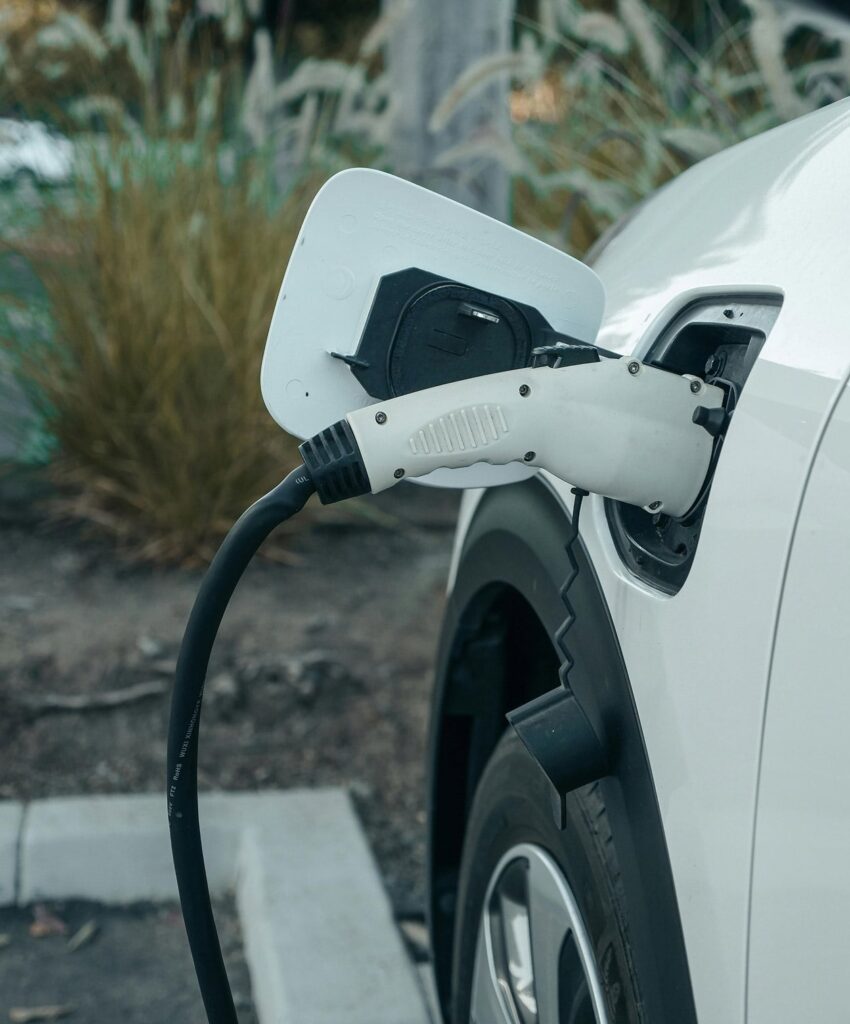
With more drivers switching to electric vehicles, having a home charging point is becoming essential. But which type of charger is right for your property? Here’s what you need to know.
Types of Home EV Chargers
Untethered (socketed) chargers — These have a universal socket that accepts different cable types. More flexible if you might change vehicles in future.
Tethered chargers — These come with a permanently attached cable, making charging quicker and more convenient. Best if you know your vehicle’s connector type.
Key Considerations
- Power output — Most home chargers are 7kW (single-phase), which fully charges a typical EV in 6-8 hours overnight. Some properties with three-phase supply can support 22kW chargers.
- Location — The charger should be installed near your parking space, ideally on an external wall. We can advise on cable routing if your consumer unit is further away.
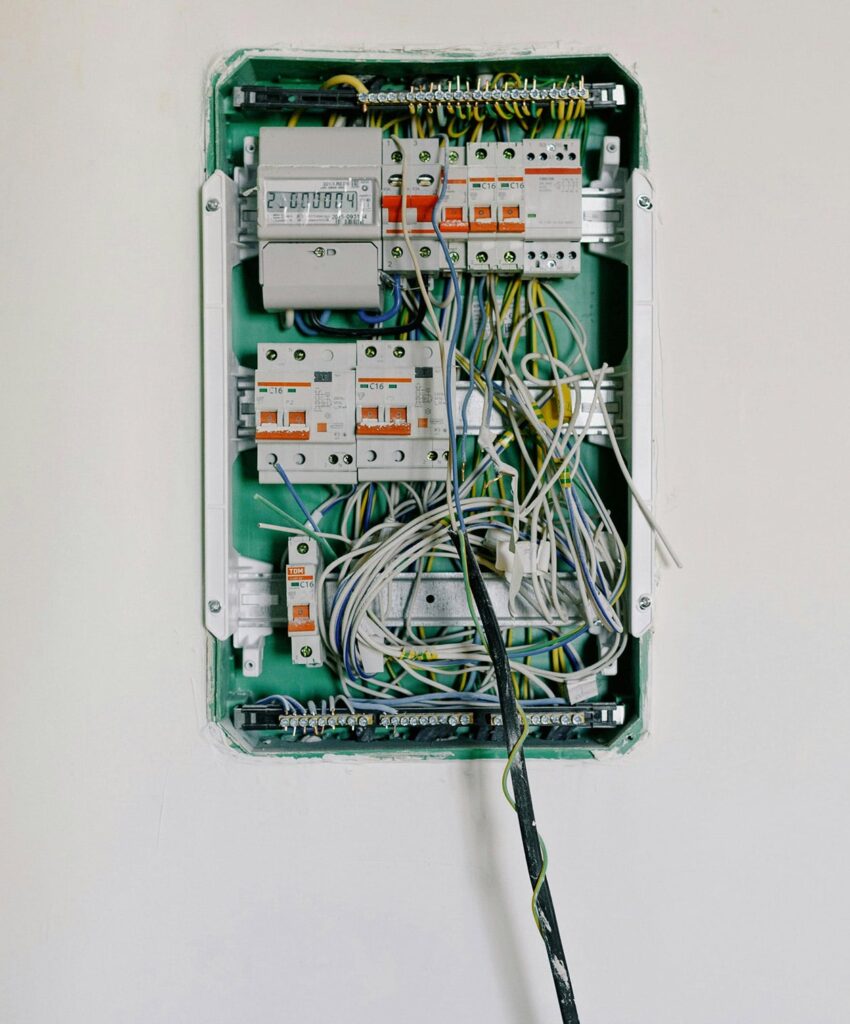
- Consumer unit capacity — Your existing electrical supply needs to support the additional load. We’ll assess this during our survey and upgrade if necessary.
- Smart features — Smart chargers allow you to schedule charging during off-peak tariff hours, potentially saving hundreds of pounds per year.
Installation Requirements
EV charger installation must be carried out by a qualified electrician and comply with BS 7671 and IET guidance. Pro D Electrical is experienced in EV charger installations across North London. Call 07562334243 for a free quote.
Red Wires:
Secondary Hot Wires Like black wires, red wires are also “hot.” They typically serve as secondary hot wires in 240-volt installations or complex switch configurations, such as ceiling fans with separate controls for the light and fan motor.
What the UK Regulations Actually Require
Two regulations apply to home EV chargers in the UK:
- The Electric Vehicles (Smart Charge Points) Regulations 2021 — all new home chargers must be smart-capable, supporting default off-peak charging, randomised delay, and data logging.
- BS 7671 Section 722 — covers electric vehicle supply equipment, including RCD type (Type A or Type B), cable sizing, and earthing arrangements (PME/TN-C-S installations require a Protective Earth System or open-PEN detection).
Both hardwired and plug-in chargers must comply. The difference is in the installation effort, not the regulatory burden.
Hardwired Chargers: Pros and Cons
Why people choose hardwired
- Cleanest appearance — no visible 3-pin socket.
- Slightly higher safety margin: no plug to be tampered with or pulled out under load.
- Supported by every grant scheme and OZEV-eligible installation.
- Permanent — adds value to the property at sale.
The trade-offs
- Removing or replacing the unit later requires another electrician.
- If you move house, the charger usually stays with the property.
Plug-In ("Granny") Chargers: Pros and Cons
Why people choose plug-in
- Lower up-front cost — sometimes supplied free with the vehicle.
- Portable — can be taken on long trips.
- No installation required if a suitable outdoor socket already exists.
The trade-offs
- Slow: typically 2.3 kW (10 A) from a standard 13 A socket. An overnight charge gives roughly 60-80 miles of range — fine for short commutes, frustrating for anything more.
- 13 A sockets are not designed for sustained continuous load. Worn sockets overheat. Many fires investigated by London Fire Brigade are linked to extended plug-in EV charging from non-dedicated sockets.
- No load balancing, no smart functionality, no grant eligibility.
Our Recommendation for North London Properties
For Victorian terraces, Edwardian semis, and 1930s housing common in Barnet, Finchley, Hampstead and Crouch End, we almost always recommend a 7 kW hardwired charger on a dedicated 32 A circuit with a Type A RCD (Type B for some inverters), open-PEN protection, and surge protection. Total install cost is typically £900-£1,400 including the unit, with grants reducing this further for some customers (landlords, flats with shared parking).
Whatever you choose, the installation must be notified to your DNO (UKPN in most of London) and certified to BS 7671. Read about our consumer unit work if your fuseboard needs upgrading first, or call 07562 334 243 for a free site survey.