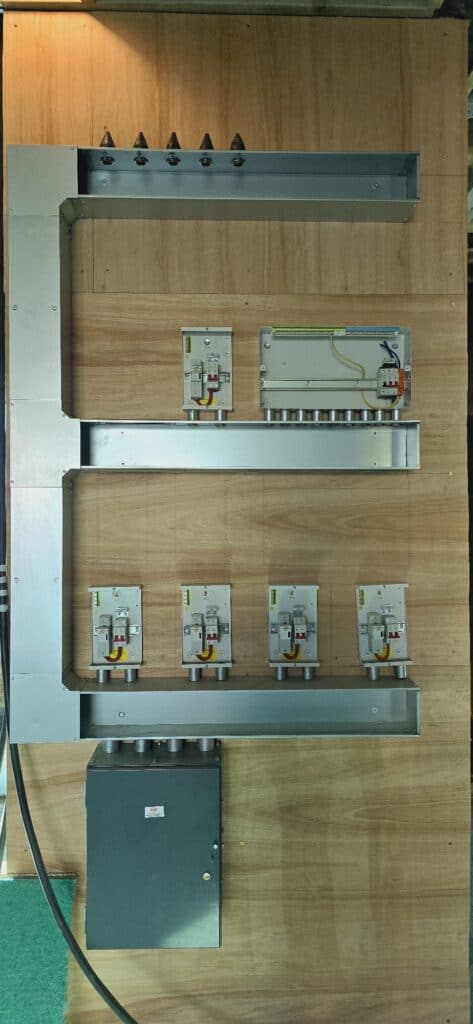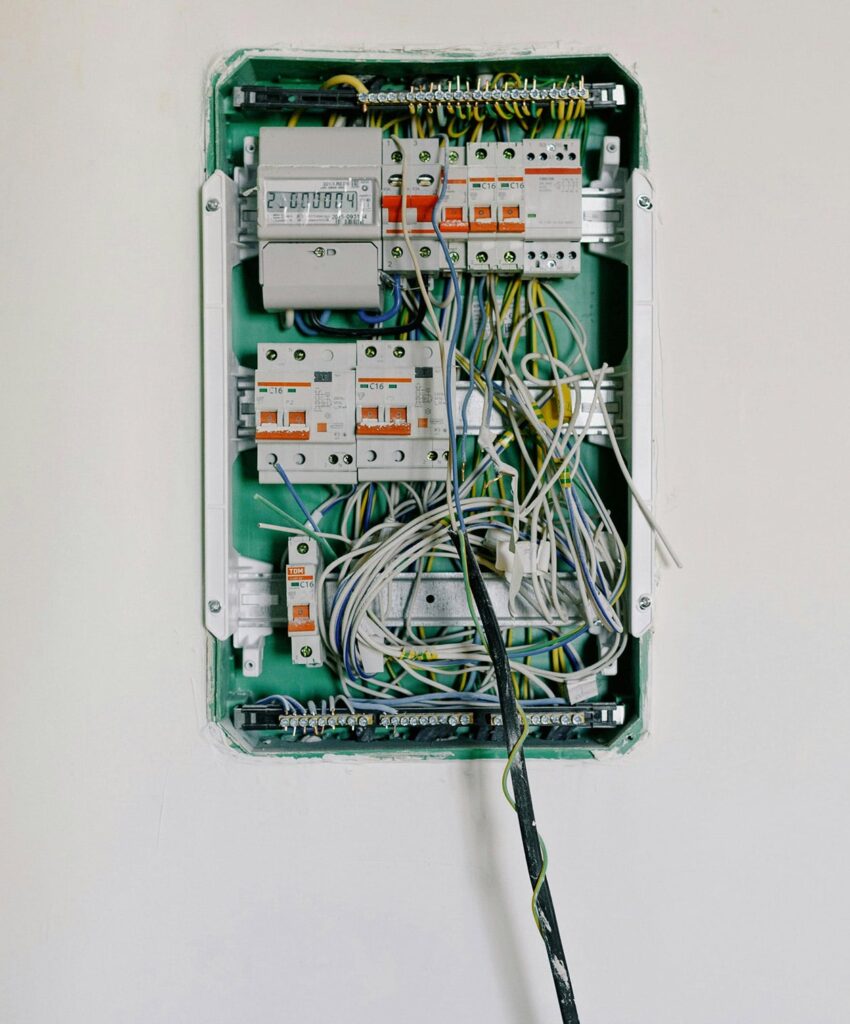
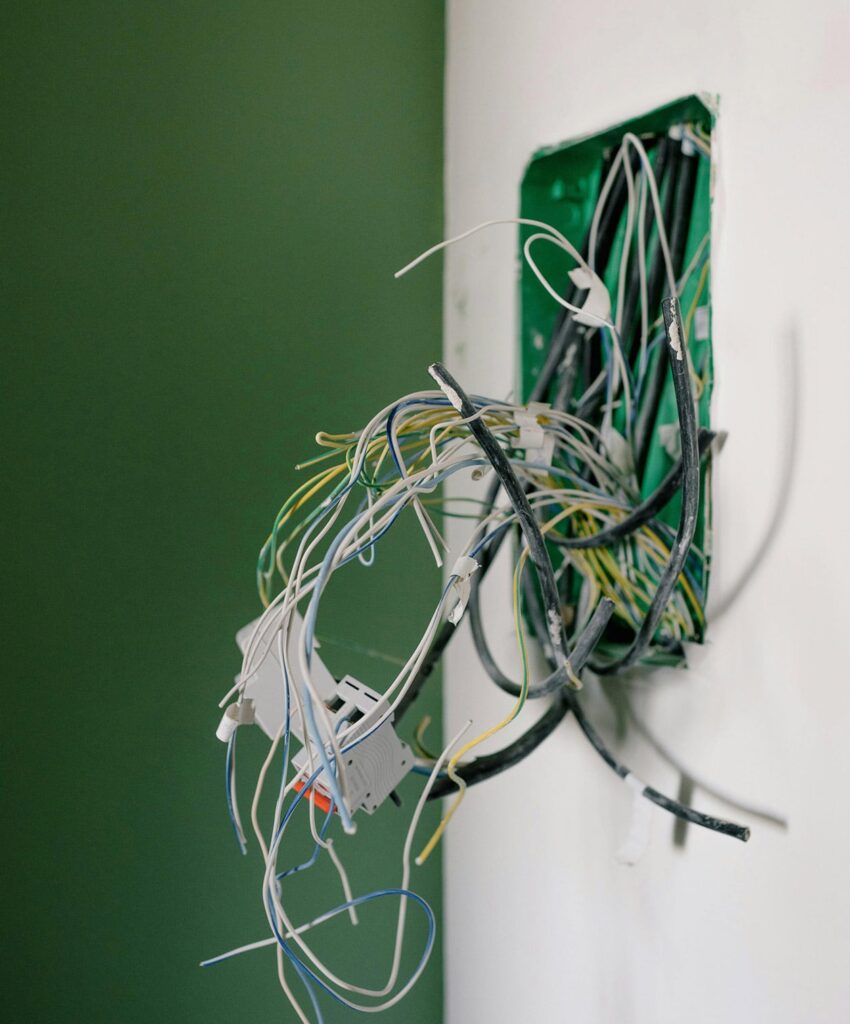
Have you ever heard a faint buzzing or humming near electrical equipment? You’re not imagining it. Electrical components can produce audible sounds under certain conditions, and understanding why can help you identify potential problems in your home.
What Causes Electrical Humming?
The most common cause is magnetostriction — the physical vibration of transformer cores and coils as alternating current flows through them at 50Hz (the UK mains frequency). This is why transformers, fluorescent light ballasts, and some LED drivers produce a low hum.
When Is It a Problem?
A faint hum from a transformer or consumer unit is usually normal. However, loud buzzing, crackling, or sizzling sounds can indicate:
- Loose connections in sockets or switches
- Arcing (electrical sparks jumping across a gap)
- Overloaded circuits
- Faulty wiring or damaged insulation
What to Do
If you hear unusual electrical sounds — particularly crackling, popping, or loud buzzing — switch off the affected circuit and call a qualified electrician. These sounds can indicate serious faults that pose a fire risk. Contact Pro D Electrical on 07562334243 for expert advice.
Red Wires:
Secondary Hot Wires Like black wires, red wires are also “hot.” They typically serve as secondary hot wires in 240-volt installations or complex switch configurations, such as ceiling fans with separate controls for the light and fan motor.
Decoding the Sound: What Different Buzzing Noises Mean
The pitch, volume, and location of an electrical hum are diagnostic clues that an experienced electrician uses immediately on arrival. Here is how we interpret them:
A faint, steady 50 Hz hum from the consumer unit
Often a loose neutral or earth connection inside the consumer unit, or a slightly worn MCB. Not immediately dangerous but should be investigated within a week — connections that buzz tend to get hotter over time.
A loud buzz that grows louder when loads switch on
Classic sign of a failing MCB or RCBO. The internal mechanism is no longer making clean contact. Replace before it welds shut and fails to trip during a fault. This is a same-day call-out for us.
A buzzing dimmer switch or LED lighting
Usually a compatibility issue: trailing-edge dimmers paired with leading-edge LED drivers, or non-dimmable LEDs on a dimmer. Easily fixed with the right dimmer module.
A crackling buzz from a socket or switch
This is arcing — current jumping a gap inside the accessory. Switch the circuit off at the consumer unit immediately and call an electrician. Arcing generates intense localised heat (over 1,000 °C) and is a leading cause of domestic electrical fires.
A hum from a transformer or boiler controller
Often acoustic vibration of the laminations — annoying but rarely dangerous. If the transformer also smells of overheated varnish, replace it.
The Safety Thresholds You Should Never Cross
- If the noise comes with heat (warm socket, warm switch plate, warm consumer unit cover) — power off, call out.
- If the noise comes with a burning smell — power off, call out, do not switch back on.
- If you can see scorch marks — power off, do not use the circuit.
- If the noise affects more than one accessory — likely a supply issue or shared neutral fault; the whole installation needs checking.
Two Quick Checks Before You Pick Up the Phone
- Isolate the source. Stand still and listen. Is it the consumer unit, a specific socket, the boiler, or the loft? Pinpointing the noise saves 15-20 minutes of diagnostic time.
- Note when it started. After a new appliance was installed? After a power cut? After heavy rain? These details usually point straight to the cause.
Long-Term Fix: 18th Edition Consumer Unit Upgrade
A persistent buzz from any consumer unit installed before 2018 is reason enough to plan an upgrade. Modern units use plug-in RCBOs with positive locking, surge protection devices (SPDs) that prevent transient spikes from cooking your electronics, and arc-fault detection devices (AFDDs) on critical circuits. See our consumer unit upgrade service, or call 07562 334 243 — we cover Barnet, Finchley, Hampstead, Islington, Enfield, Camden, Highgate, Crouch End and Wood Green.