Electrical safety starts at home. Here are ten practical tips every homeowner should follow to keep their family safe and their electrical systems in good condition.
- Never overload sockets — Use one plug per socket where possible. Avoid daisy-chaining extension leads.
- Test your RCDs monthly — Press the test button on your consumer unit to ensure RCDs are working properly.
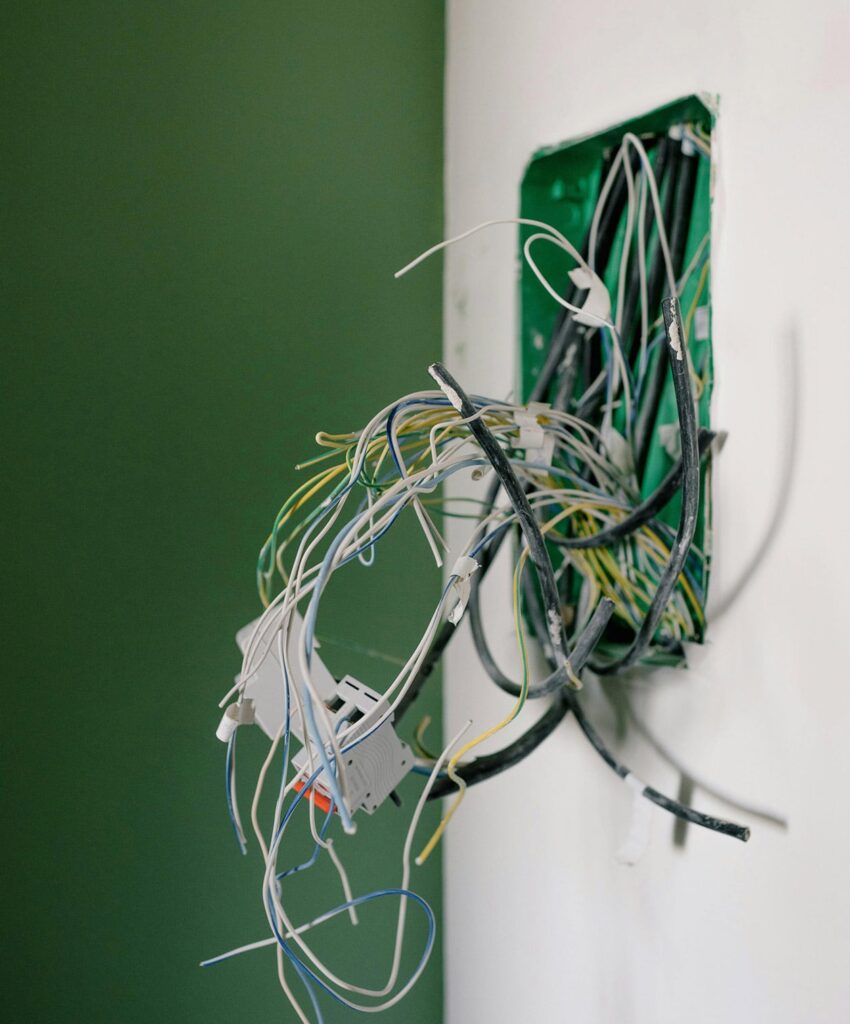
- Replace damaged cables immediately — Frayed or exposed wires are a fire and shock hazard.
- Keep water away from electrics — Never use electrical appliances near water or with wet hands.
- Don’t ignore warning signs — Flickering lights, buzzing sounds, warm sockets, and burning smells all indicate a fault.
- Use a registered electrician — Always use a NAPIT or NICEIC registered electrician for any electrical work.
- Get an EICR every 10 years — An Electrical Installation Condition Report identifies potential hazards before they become dangerous.
- Install smoke alarms on every level — Test them monthly and replace batteries annually.
- Keep your consumer unit accessible — Never block access to your fuse board.
- Teach children about electrical safety — Use socket covers and explain the dangers of electricity early.
For a professional electrical safety inspection, contact Pro D Electrical on 07562334243.
Tip 11: Check Your RCD Quarterly
The Residual Current Device on your consumer unit has a small "T" or "Test" button. Press it once every three months — the unit should trip immediately. If it does not, call an electrician the same day. A silent-failed RCD provides no protection against electric shock, and many homeowners only discover this after a near-miss.
Tip 12: Never Bridge or Tape a Damaged Cable
Electrical tape, no matter how thick, is not a permanent repair. UK regulations require damaged cable to be replaced or properly joined inside an accessible junction box. We routinely see DIY tape repairs hidden inside walls — they overheat, dry out over time, and eventually arc.
Tip 13: Understand What an EICR Is
An Electrical Installation Condition Report is a structured inspection carried out by a registered electrician. It identifies any defects coded C1 (danger present, action required), C2 (potentially dangerous, action required), or FI (further investigation). Landlords in England are legally required to have one every five years; homeowners are recommended to have one every ten, or before/after buying a property. Read more about our EICR inspections.
Tip 14: Test Smoke Alarms Monthly, Replace Every 10 Years
Mains-powered smoke alarms have an internal lifespan of 10 years regardless of how they look. The sensor degrades and will eventually fail to detect smoke. Check the manufacture date printed on the back of every alarm in your home — if it is older than ten years, replace it.
Tip 15: Treat Outdoor Sockets as Special
Any socket fed from inside the house but used outdoors must be on a dedicated RCD-protected circuit (typically 30 mA). Outdoor sockets must be IP-rated (minimum IP44 for sheltered, IP55 for exposed). DIY garden sockets are one of the most common causes of serious electric shock in summer.
Tip 16: EV Chargers Need a Dedicated Circuit and Type A or B RCD
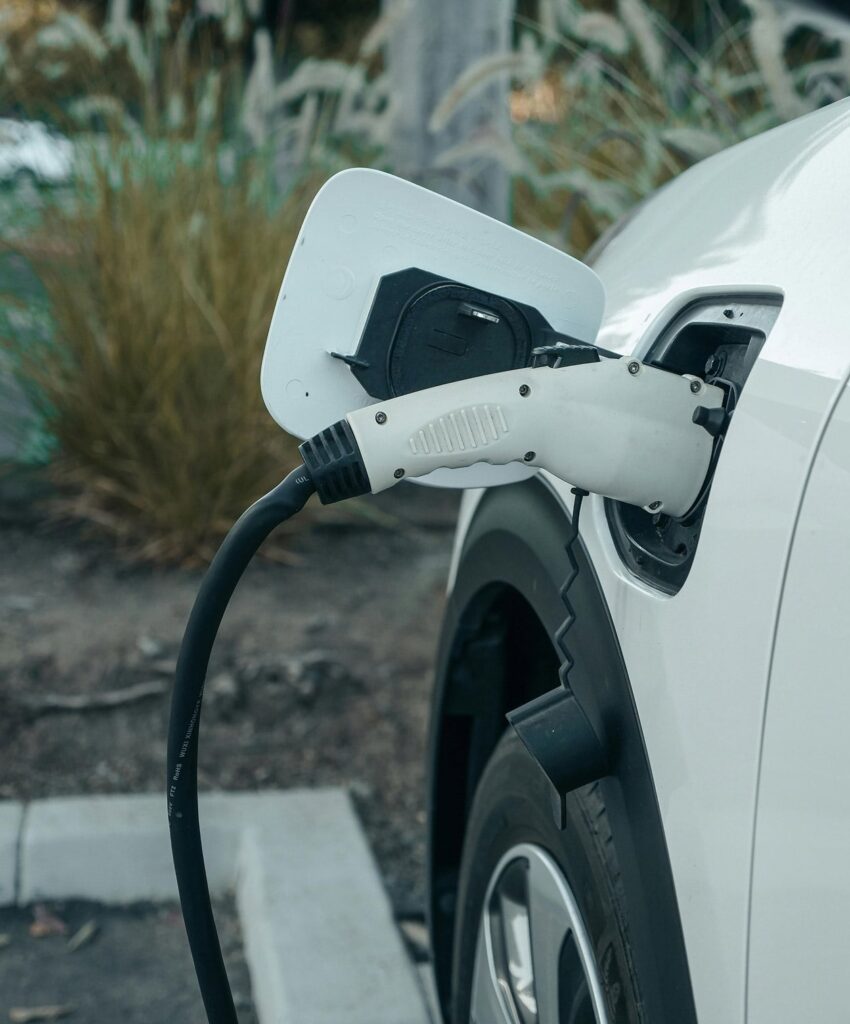
A 7 kW home EV charger draws around 32 A — that is a dedicated circuit, not a borrowed socket. Modern chargers also require a Type A RCD or Type B (depending on the unit) to handle the DC residual current from the on-board rectifier. Wiring a charger into an existing ring circuit is dangerous and almost always non-compliant. See our advice on choosing an EV charger.
When to Call a Registered Electrician
Any work covered by Part P of the Building Regulations (special locations, new circuits, consumer unit work, EV chargers) must be carried out by — or signed off by — a Part P registered electrician. Pro D Electrical is NAPIT registered and JIB Gold Card qualified. Call 07562 334 243 or request a free quote across Barnet, Finchley, Hampstead, Islington, Enfield, Muswell Hill, Camden, Highgate, Crouch End and Wood Green.